
What is Xylitol?
January 3, 2019
Highlights: Xylitol is a type of carbohydrate called a sugar alcohol, or polyol. Xylitol occurs naturally in many fruits and vegetables. It is also commercially produced from birch bark and…

Your Nutrition and Food Safety Resource
Highlights: Xylitol is a type of carbohydrate called a sugar alcohol, or polyol. Xylitol occurs naturally in many fruits and vegetables. It is also commercially produced from birch bark and…
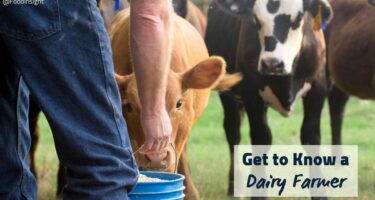
Many healthy and delicious foods that come from cows, including milk, cheese and yogurt, are staples in many of our homes. While some people opt for cow’s milk alternatives, a…

I’ve come to the realization that we cannot live without packaging. But I do concern myself with where packaging goes after I have used it. Many of us actively recycle…
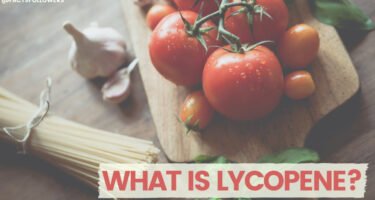
HIGHLIGHTS Lycopene is an antioxidant that belongs to the carotenoid group. It’s found in high amounts in red and pink fruits, as well as dietary supplements. Lycopene has shown blood…

Highlights: Lutein is an antioxidant that belongs to the carotenoid group. It’s found in high amounts in leafy greens and orange-yellow vegetables as well as dietary supplements. Lutein is important…

Sugar, in one form or another, is added to many of our favorite foods and beverages. Most people know that sugar adds sweetness but many may not know that sugar…

Cold winter nights often call for baking sweet treats and sipping hot cocoa. While we get comfy and cozy, we should not negate the importance of food safety practices while…
This is the fourth installment of our video series in partnership with Osmosis, a group that focuses on health science education, highlighting the basics of several nutrition topics. The Nutrition…

There seems to be a lot of misunderstanding about titanium dioxide, which can be used as a colorant in foods. While headlines may suggest titanium dioxide is a health concern,…
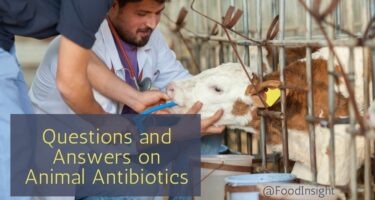
For more than 50 years, veterinarians and producers have administered antibiotics to food animals, primarily poultry, swine, and cattle, mostly to fight or prevent animal diseases. The following Q&A provides…